
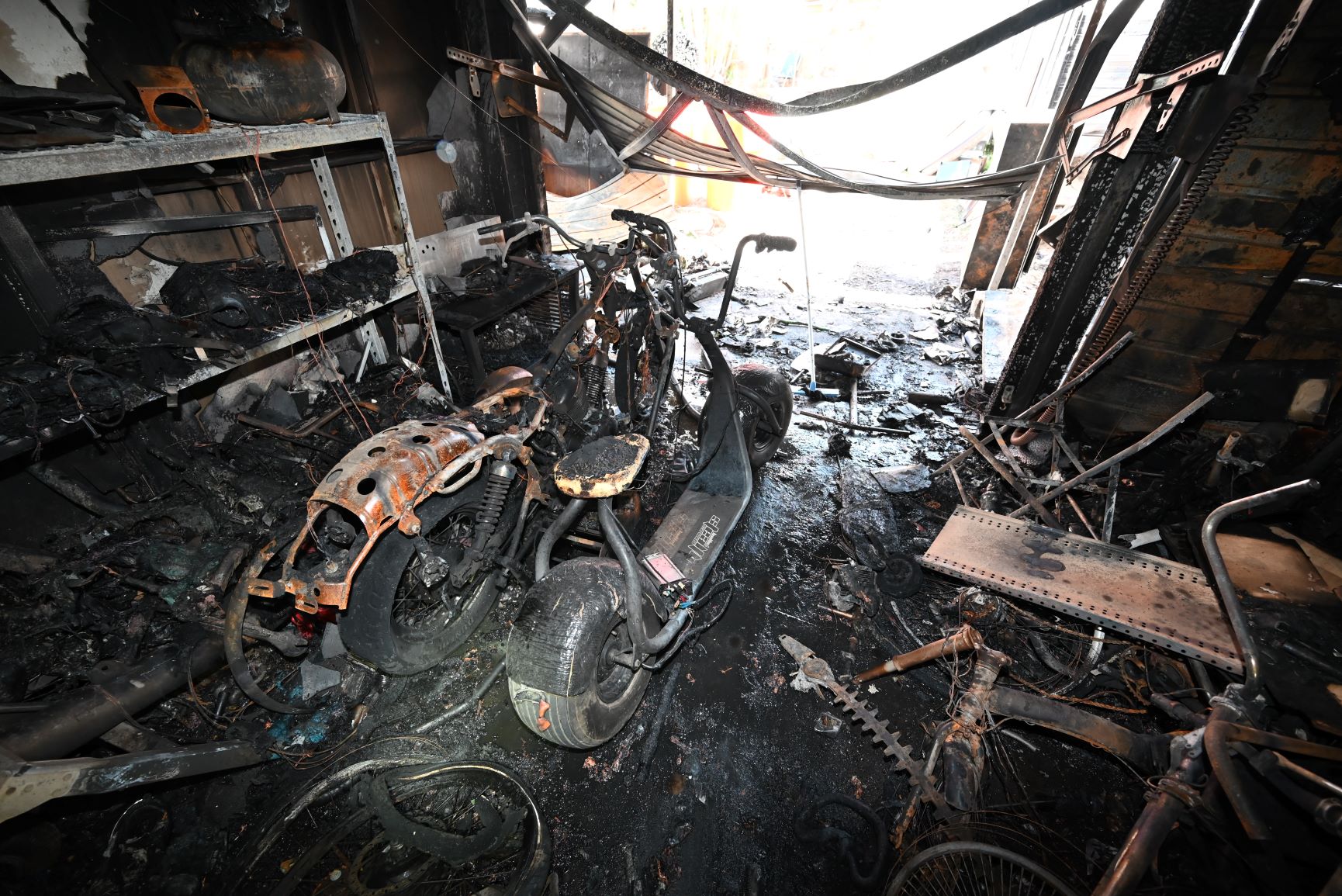
Lithium-ion batteries need to be treated with extra care as the Queensland Fire Department (QFD) deals with a big increase in fires.
Commonly found in devices such as smartphones, laptops, e-bikes, scooters and power tools, lithium-ion batteries have been traced as the source of a growing number of household, vehicle and caravan fires.
QFD Executive Manager Community Safety Superintendent Mark Halverson says people must understand the risks these batteries pose.
“Lithium-ion batteries are incredibly useful but if mishandled, damaged or improperly charged they can pose a serious fire risk,” he says.
“We want Queenslanders to be aware of the risk and take simple steps to protect themselves and their families.”
LITHIUM BATTERY FIRES
• A 122% increase in structure fires (from 48 incidents in 2021-22 to 107 in 2024-25).
• A 145% increase in fires (from 97 incidents in 2021-22 to 238 in 2024-25).
• A growing number of fires involving battery-powered bikes and scooters.
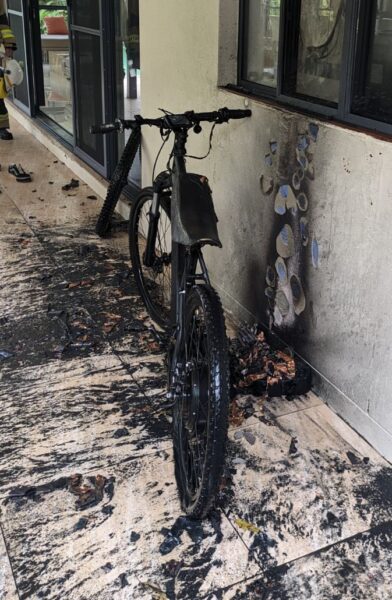
To minimise the risk of battery fires, QFD says you should do the following:
- Charge safely: Use the charger provided with your device and avoid leaving batteries charging unattended (especially overnight).
- Inspect and replace: Regularly check battery packs for swelling, leaks or damage and dispose of faulty batteries at approved recycling facilities.
- Store smart: Keep batteries in a cool, dry place, away from heat, direct sunlight and flammable materials.
- Avoid flammable surfaces: Do not charge battery devices on soft or flammable surfaces such as beds, pillows, couches or clothing.
Superintendent Halverson said lithium-ion battery fires ignite quickly and burn at extremely high temperatures.
“This makes them challenging for firefighters to extinguish, often requiring specialist firefighting techniques,” he says.
“By following the recommended safety guidelines, residents can significantly reduce the risk of fire.”
QFD Commissioner Steve Smith says these battery fires pose a growing threat.
“Lithium-ion battery fires are an increasing threat across Queensland. A single mistake, like using a damaged battery or leaving a charger plugged in, can have devastating consequences,” he says.
Superintendent Halverson said a few simple steps is all it takes to make a big difference to household safety.
“The numbers show that while lithium-ion batteries are essential to modern life, they come with risks that must be managed responsibly,” he says.
“By being mindful of how and where you use and charge your devices, you can dramatically reduce your risk.”
For more information on lithium-ion battery safety, visit the QFD’s page on Lithium-ion Battery Safety.