UKRAINIAN CEASEFIRE HELPS RESTORE BACK-UP POWER
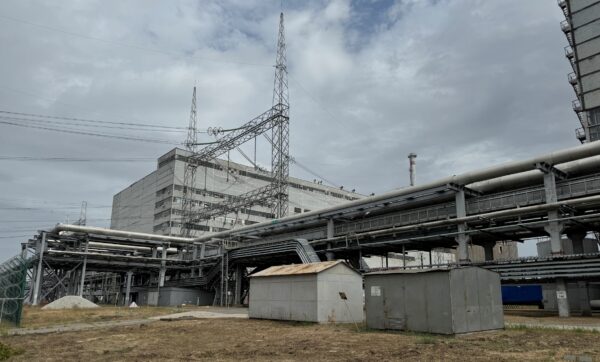
In the Ukraine, a fifth ceasefire negotiated by the IAEA allowed them to restore off-site back-up power to the Zaporizhzhya Nuclear Power Plant (or ZNPP) with its six reactors last week.
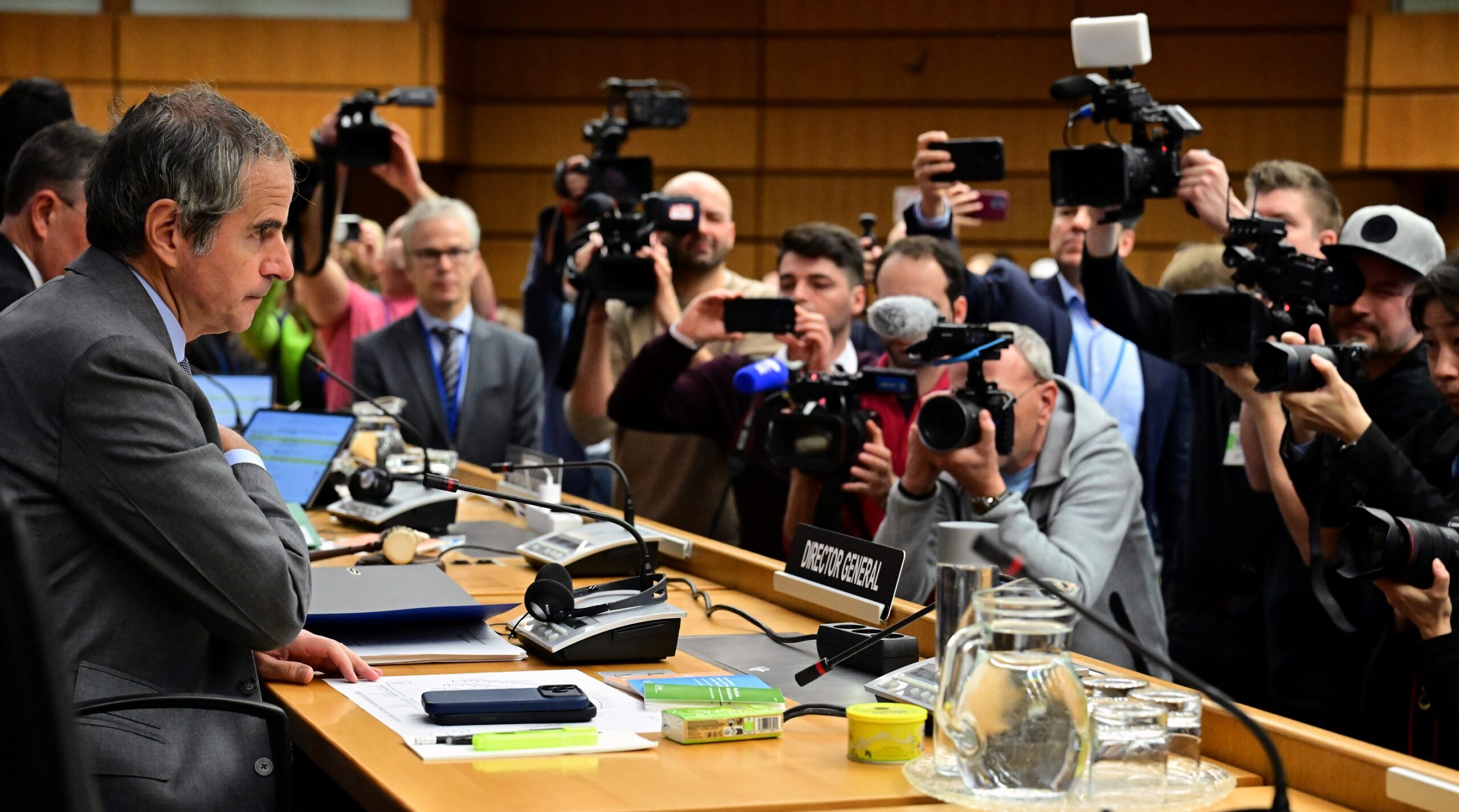
“It (the ceasefire) paved the way for repairs to strengthen the site’s off-site power in our efforts to maintain nuclear safety and security at ZNPP,” Grossi says.
At the ZNPP (Europe’s largest plant), a thermal power plant (TPP) used to supply back-up power was knocked out on February 10 by fighting.
Since then, ZNPP has been reduced to just one off-site power line to remain operational although a second power line has been switched on with repairs still needed before it can supply the ZNPP.
“The situation at the ZNPP remains extremely challenging, particularly regarding off-site power, cooling water and the plant’s proximity to the frontline,” Grossi says.
“The plant is depending on its sole remaining main power line after losing its only back‑up line more than two weeks ago.”
He says the ZNPP has completely lost 12 off-site power supplies since the war started in 2022; it currently has eight emergency diesel generators and 12 on standby; click here to read more.
“The IAEA once again demonstrated our essential role to minimize the risk of an accident during this war, and we will continue to do so for as long as it takes,” Grossi says.
The agency says that recently, their staff at the ZNPP reported hearing multiple explosions close to them.
Last week, electrical substations used to supply NPPs were attacked across Ukraine with two disconnected for power lines and another two forced to reduce power.
The IAEA says that at Chornobyl, an off-site power line was disconnected with an emergency diesel generator automatically kicking in to top up power supplies.
The IAEA reports that nine drones were detected at the Chornobyl NPP last Wednesday night while three drones were detected 12 kilometres from the South Ukraine NPP that same night.
SPRADING THE POWER
At present, 413 nuclear power reactors are operating in 31 countries.
These reactors generate more than 377 gigawatts of installed capacity and supplies almost 10% of the world’s total power.
Sixty-seven reactors totalling over 70 gigawatts of installed capacity are under construction in 16 countries, three of which are newcomers.
Globally, some 60 countries are now considering introducing nuclear energy. Source: IAEA.