
Nuclear facilities in Iran remain intact despite US and Israeli attacks, the United Nations watchdog says.
But any serious breach could force the evacuation of every major city in the region.
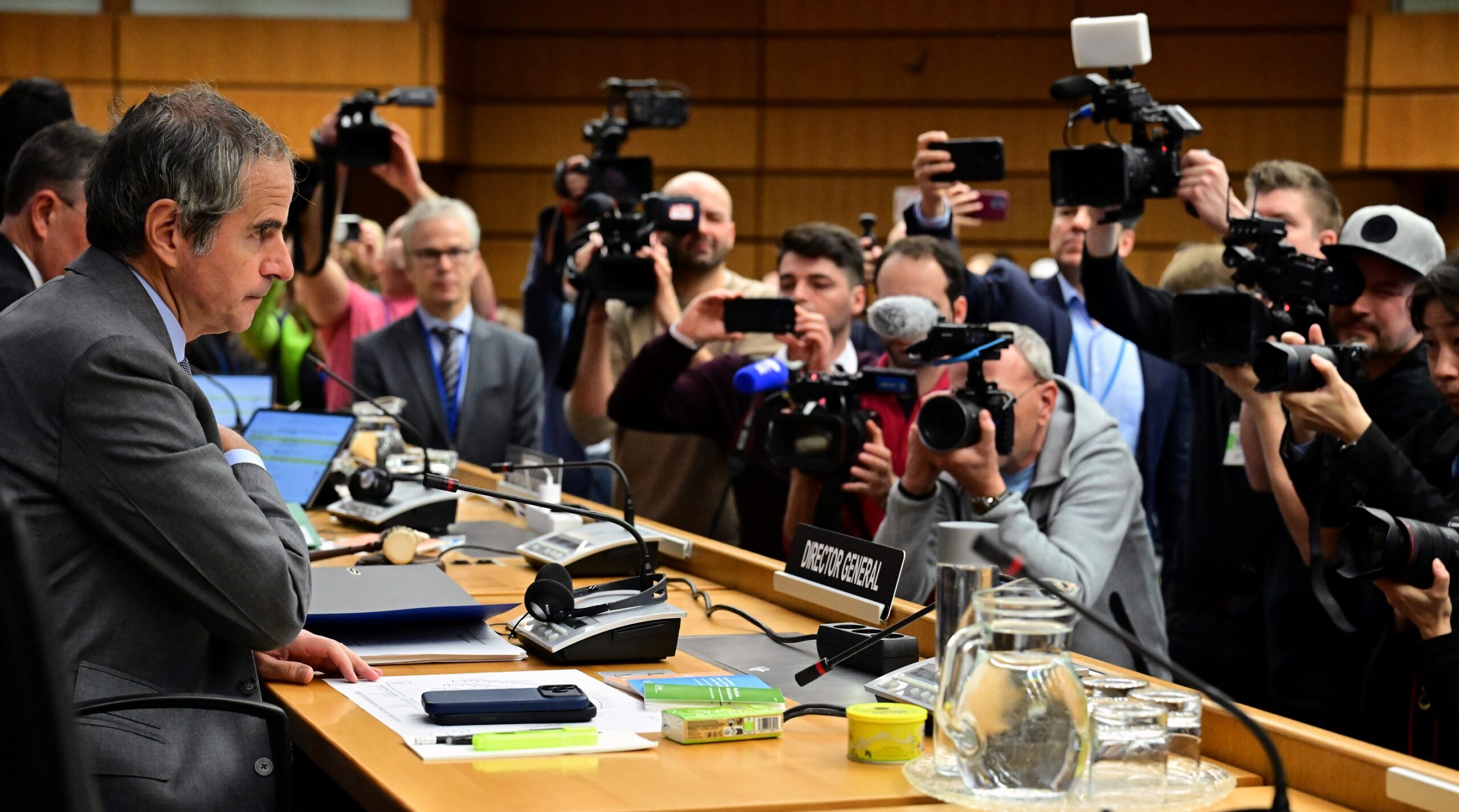
The International Atomic Energy Agency (IAEA) Director-General, Rafael Mariano Grossi, made the comment at a special meeting held in Vienna, Austria, yesterday (March 2).
He says their incident centre and a regional monitoring network have detected no signs of elevated radiation levels in any of the countries that have been attacked.
“… up to now, we have no indication that any of the nuclear installations (in Iran), including the Bushehr Nuclear Power Plant, Tehran Research Reactor or other nuclear fuel cycle facilities have been damaged or hit,” he says.
He reports that the agency is still trying to contact Iranian nuclear authorities.
“The IAEA has extensive knowledge of the nature and location of nuclear and radiological material in the region,” he says.
“The situation today is very concerning.
“We cannot rule out a possible radiological release with serious consequences, including the
necessity to evacuate areas as large or larger than major cities,” Grossi told the meeting.
“The IAEA is there working with member states, keeping the international community informed while being ready to react immediately if a breach occurs.”
NUCLEAR SPREAD IN THE GULF
• The IAEA says Iran and other countries in the region that were attacked operate nuclear power plants and research reactors with fuel storage sites.
• The United Arab Emirates has four operating reactors.
• Jordan and Syria have operational research reactors.
• Bahrain, Iraq, Kuwait, Oman, Qatar and Saudi Arabia all possess nuclear capability.
“I reiterate my call on all parties to exercise maximum restraint to avoid further escalation,” he says.
“… armed attacks on nuclear facilities should never take place and could result in radioactive releases with grave consequences within and beyond the boundaries of the state which was attacked.”
Grossi says diplomacy is the only way to secure a long-term assurance that Iran will not develop a weapons program.
“The agency will continue to monitor the situation … we will report on any radiological consequence of the military activity.”
OUR EARLIER STORY: Air travellers told to check as flights cancelled, diverted
MORE: Temporary ceasefire in Ukraine helps repairs